

Building Bridges for Vietnam - Korea Agricultural Cooperation in the Era of Green Transformation
As global agriculture undergoes a strong shift under the pressure of climate change and sustainability standards, Vietnam - Korea cooperation is entering a new phase, expanding from agricultural trade to technology, standards, and green value chains.
According to Mr. Tran Quoc Duy, Chief of Office of the Vietnam Farms and Agricultural Enterprises Association (VFAEA); Deputy Chief of Ho Chi Minh City Association for Supporting Industries, and Advisor to the World Vocational Competency Exchange Association (WVCEA) under the Ministry of Foreign Affairs of South Korea, who has been actively contributing to connection activities between Vietnam and Korea, these developments have been clearly reflected in ministerial level engagements, where both sides agreed to strengthen cooperation in smart agriculture, technology transfer, and sustainable production ecosystems.
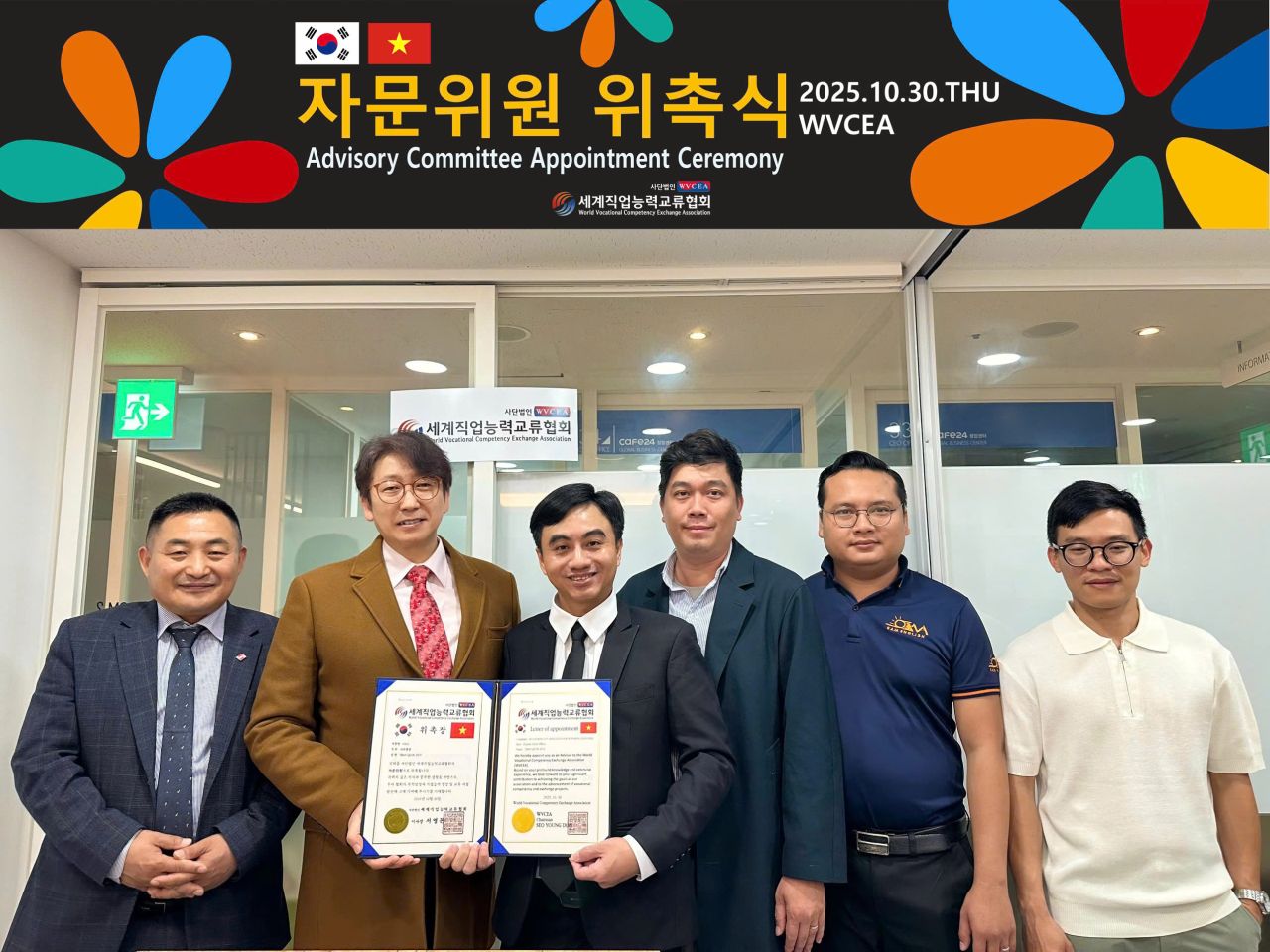
At the WVCEA Office in Seoul, Mr. Seo Jung Wook, Chairman of WVCEA (second from the left), presented the appointment decision of WVCEA Advisor to Mr. Tran Quoc Duy, Chief of Office of VFAEA.
Beyond strategic direction, many concrete cooperation projects have been implemented, from upgrading the rice value chain in the Red River Delta to applying high technology in production. South Korea is accelerating its strategy to export high tech agricultural solutions, identifying Vietnam as a key market to expand smart farming models in Southeast Asia. Pilot models such as smart greenhouses and data driven farming management systems have already been introduced in Vietnam, demonstrating initial adaptability to local production conditions.
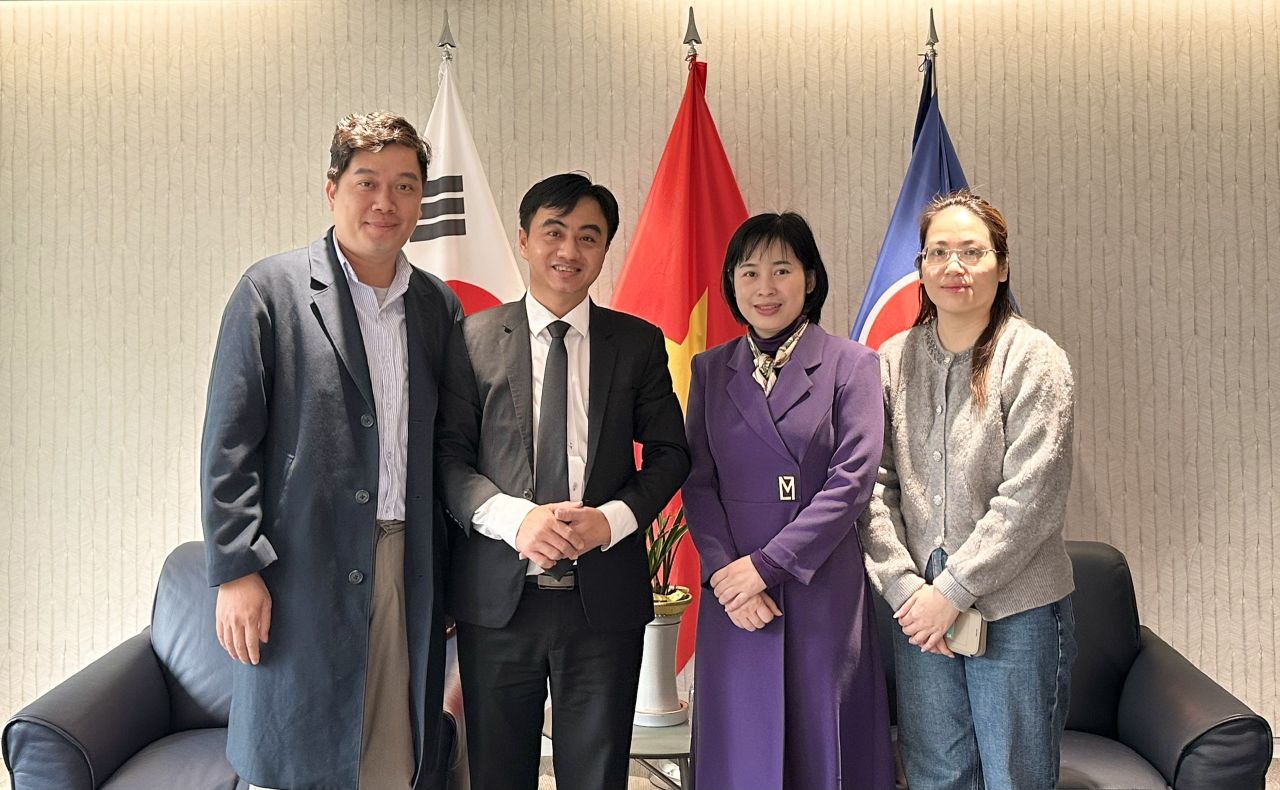
During his visit to Seoul, Mr. Tran Quoc Duy paid a courtesy call on Ms. Nguyen Thi Thanh Binh, Deputy Ambassador of Vietnam to the Republic of Korea (second from the right), at the Vietnamese Embassy, and presented a report on his initiatives and activities over the past two years to promote Vietnam - Korea cooperation.
However, what is most notable is not only the scale of cooperation or the number of projects, but the shift in approach. While businesses previously focused mainly on buying and selling opportunities, there is now a growing demand for solutions that can be implemented and scaled. This requires more effective connection mechanisms, where market information, technological capabilities, and practical needs are clarified in advance rather than discussed only during meetings.
Among current trade promotion platforms, the BKF+ (Buy Korean Food+) program organized by the Ministry of Agriculture, Food and Rural Affairs of South Korea is considered a representative model. At the 2025 Buy Korean Food+ Business Meeting in Seoul, hundreds of companies and buyers from various countries participated, with thousands of structured B2B meetings arranged based on specific needs.
Notably, these meetings went beyond product introductions and focused on concrete requirements, including technology testing, distribution plans, and long term cooperation opportunities. This approach reflects a new trend in agricultural trade promotion, where effectiveness is measured not by the number of booths, but by the ability to convert connections into actionable agreements and projects.
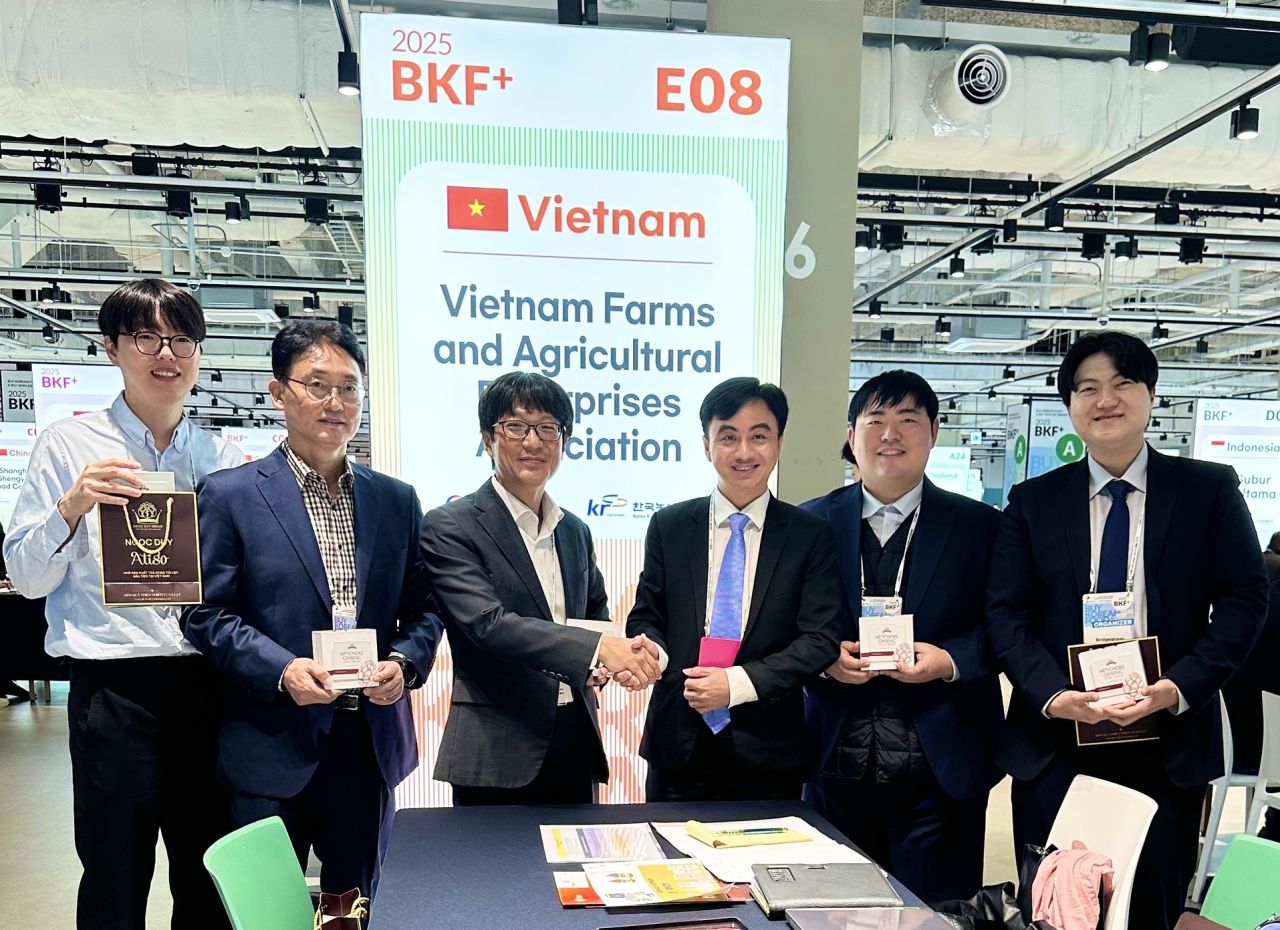
Mr. Tran Quoc Duy presented gifts featuring representative Vietnamese agricultural products to the Organizing Committee of the 2025 Buy Korean Food+ Business Meeting in Seoul
In addition to the evolving B2B matching approach, perspectives from the Korean side further highlight a shift toward more structured and long term cooperation. Ms. Yu Jin Ha, a member of the Organizing Committee of the 2025 Buy Korean Food+ Business Meeting in Seoul, shared that the program is designed to move beyond conventional networking formats.
According to her, the 2025 Buy Korean Food+ Business Meeting aims to build sustainable business relationships between invited buyers and participating Korean agricultural equipment companies, rather than focusing on one time interactions. “Our goal is not only to facilitate meetings, but to support the development of mid to long term partnerships that can lead to concrete export contracts,” she noted.
She also emphasized that through direct product demonstrations and in depth technical discussions, buyers can gain a clearer understanding of the technological strengths and reliability of Korean agricultural equipment. This approach helps strengthen trust and increases the likelihood of translating initial connections into practical and scalable cooperation.
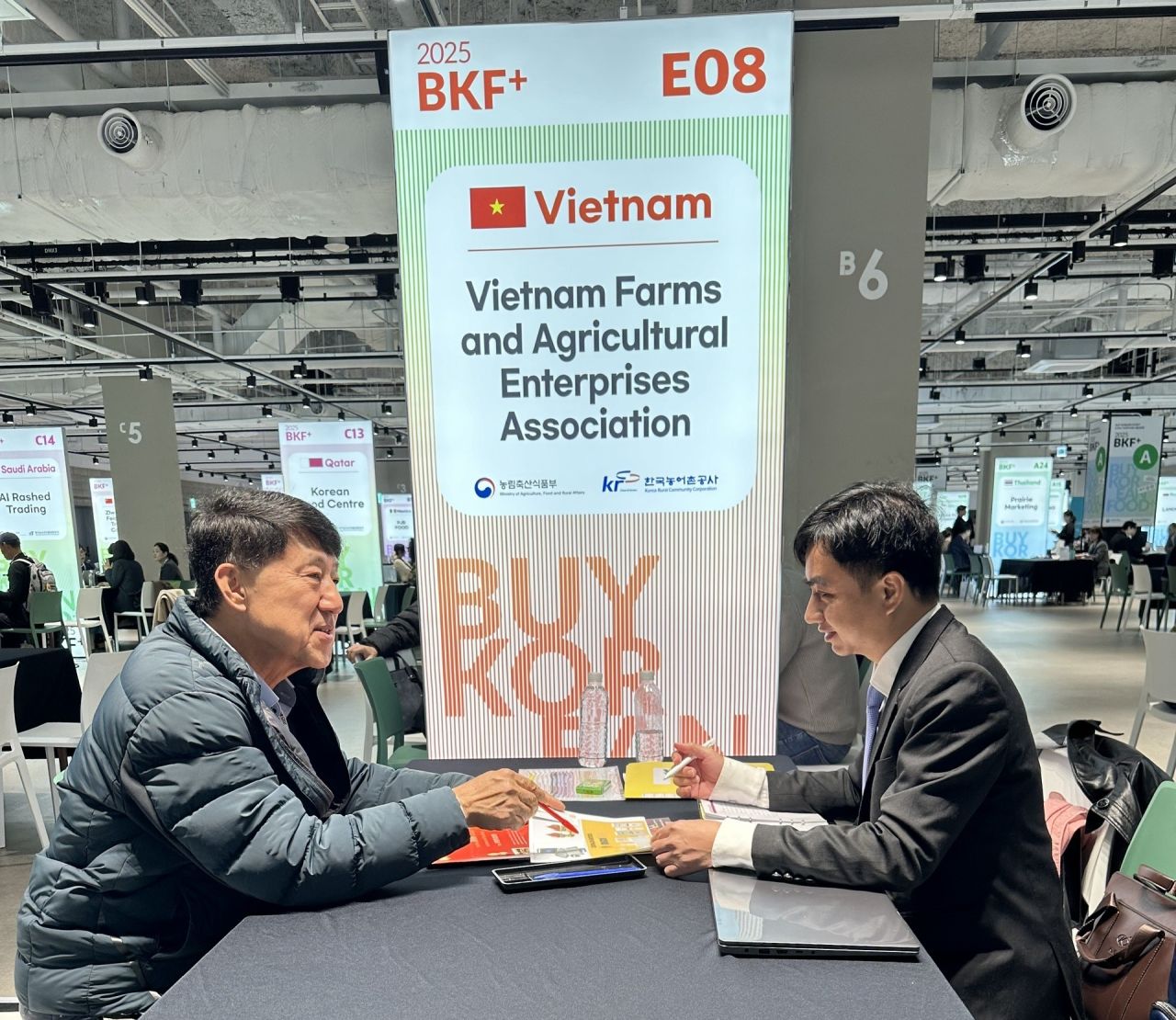
A dynamic B2B matching session at the 2025 Buy Korean Food+ Business Meeting in Seoul, where Mr. Tran Quoc Duy provided guidance to a Korean enterprise on the process of identifying Vietnamese partners, paving the way to introduce agricultural services, solutions, and products into the Vietnamese market.
As the Vietnam representative of the K-Scouter Program led by the Ministry of SMEs and Startups of South Korea and implemented by beSUCCESS, a leading Korean startup media organization, Mr. Tran Quoc Duy noted that BKF+ and organizations such as VFAEA, WVCEA, and beSUCCESS have played an important role in expanding networks, enabling Vietnamese enterprises to access Korea’s technology and innovation ecosystem, particularly in agriculture.
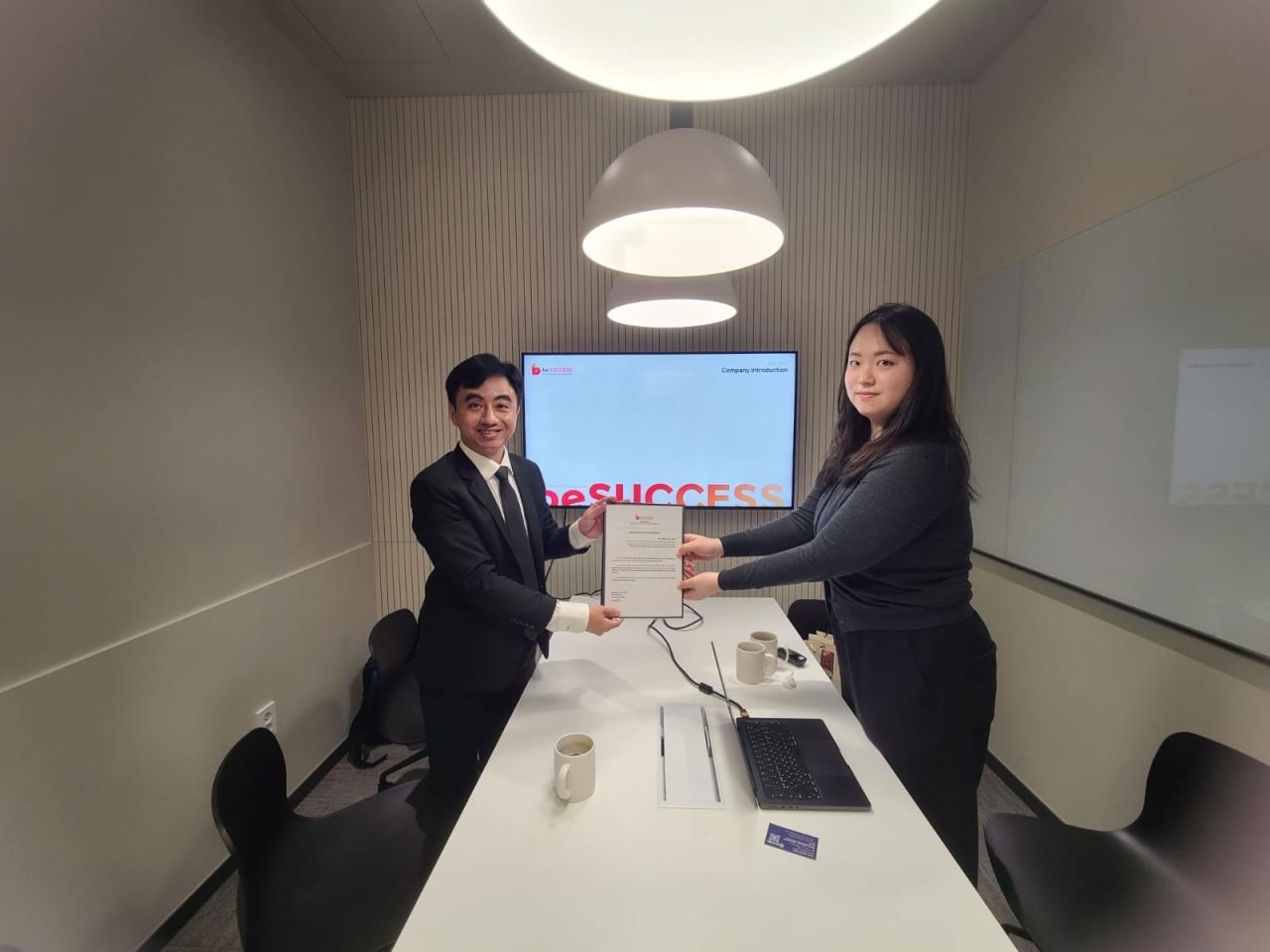
At the beSUCCESS office in Seoul, Mr. Tran Quoc Duy was appointed as the representative of beSUCCESS in Vietnam.
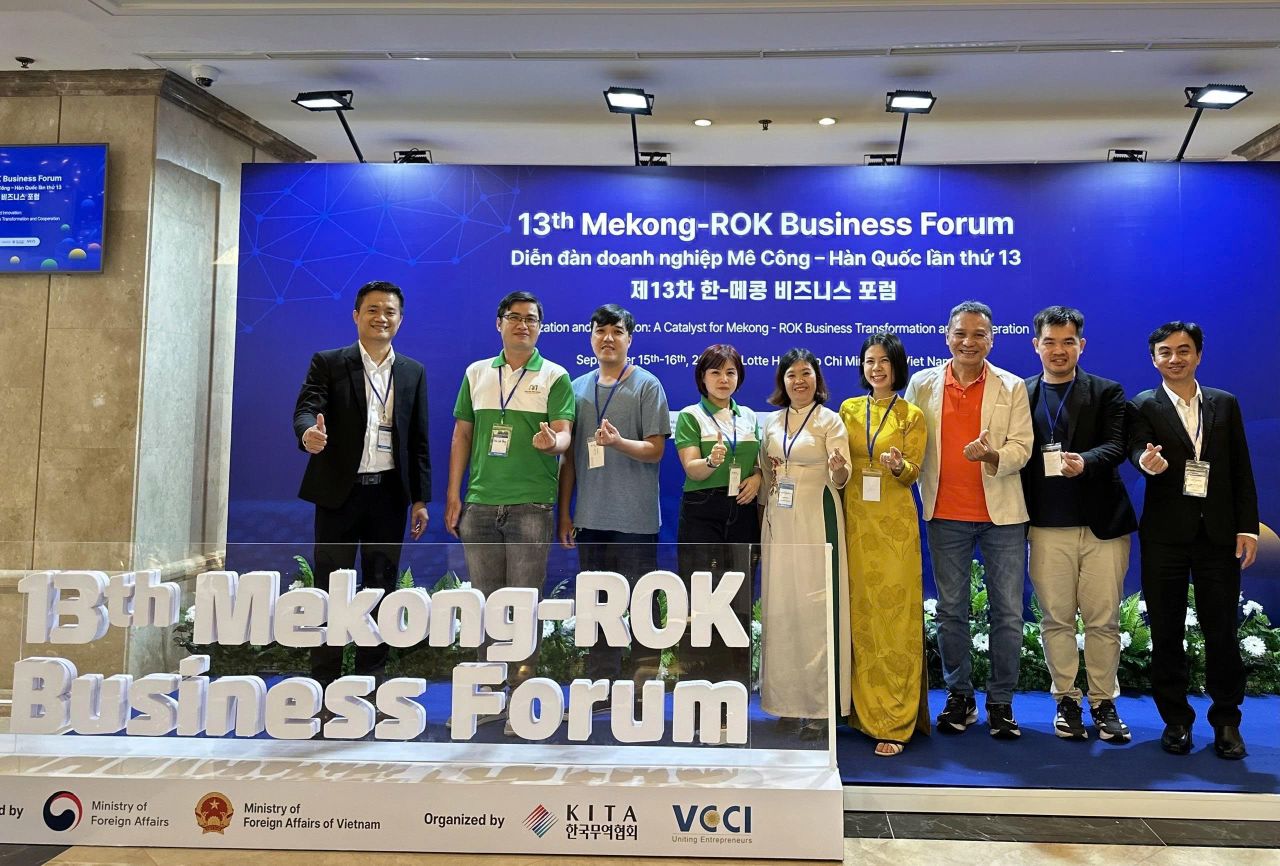
With the guidance of Mr. Tran Quoc Duy, Vietnamese enterprises participating in the K-Scouter Program actively joined him in attending the 13th Mekong - ROK Business Forum and connected with hundreds of international partners.
In practice, the biggest bottleneck in agricultural innovation today is not the lack of technology, but the ability to connect with the right partners and implement solutions under suitable local conditions. Vietnam’s agriculture is characterized by fragmented production, diverse climate conditions, and varying levels of operational capacity, which requires flexible adaptation rather than applying standardized models directly.
At the same time, well prepared B2B matching programs are proving effective. Recent trade promotion events have facilitated hundreds of direct business meetings between companies from both countries, with many memoranda of understanding signed on site, reflecting increasingly concrete and practical cooperation demand.
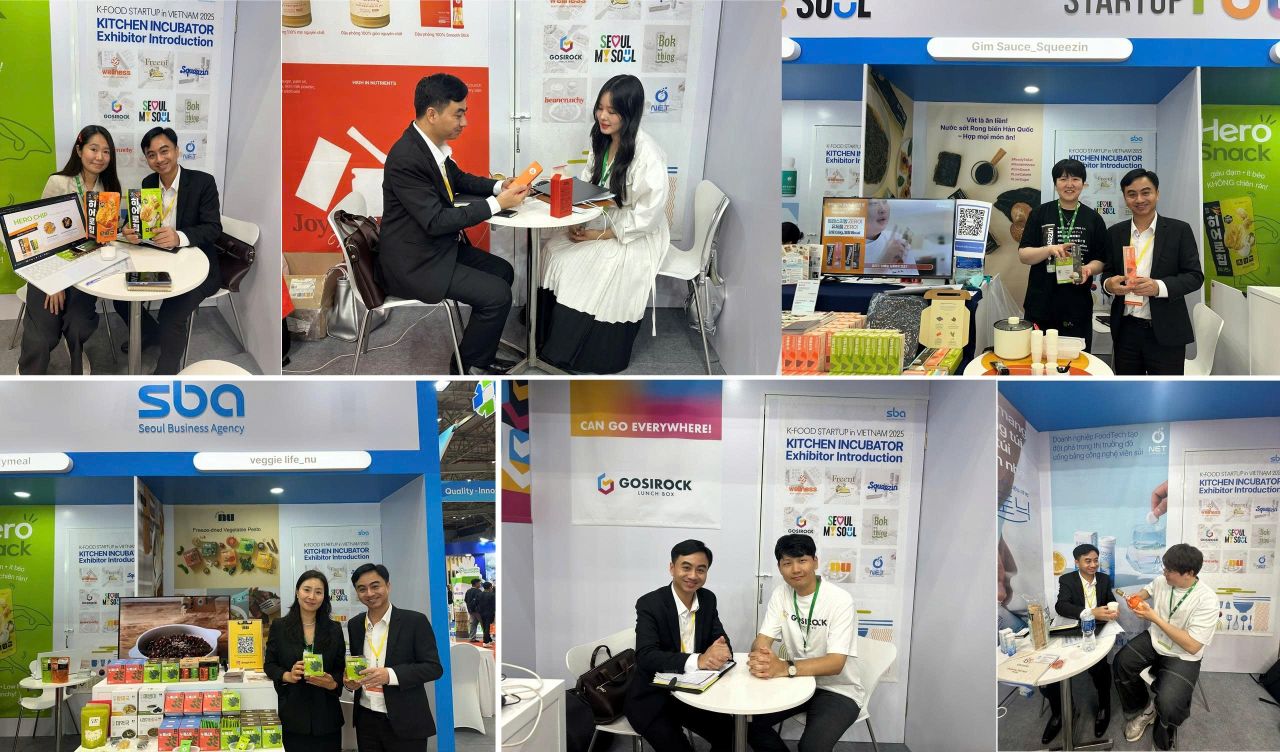
During the K-Food Startup in Vietnam 2025 program held in Ho Chi Minh City, Mr. Tran Quoc Duy actively engaged with Korean startups and provided comprehensive guidance on solutions for exporting Korean goods and agricultural products to the Vietnamese market.
However, connection is only the starting point. The transfer and implementation of technology remain the decisive stages. High tech agricultural models, from automated irrigation and environmental sensors to smart greenhouses, must be tested under specific local conditions before scaling. Differences in climate, infrastructure, and farming practices mean that the challenge is not only about meeting standards, but also about local adaptation.
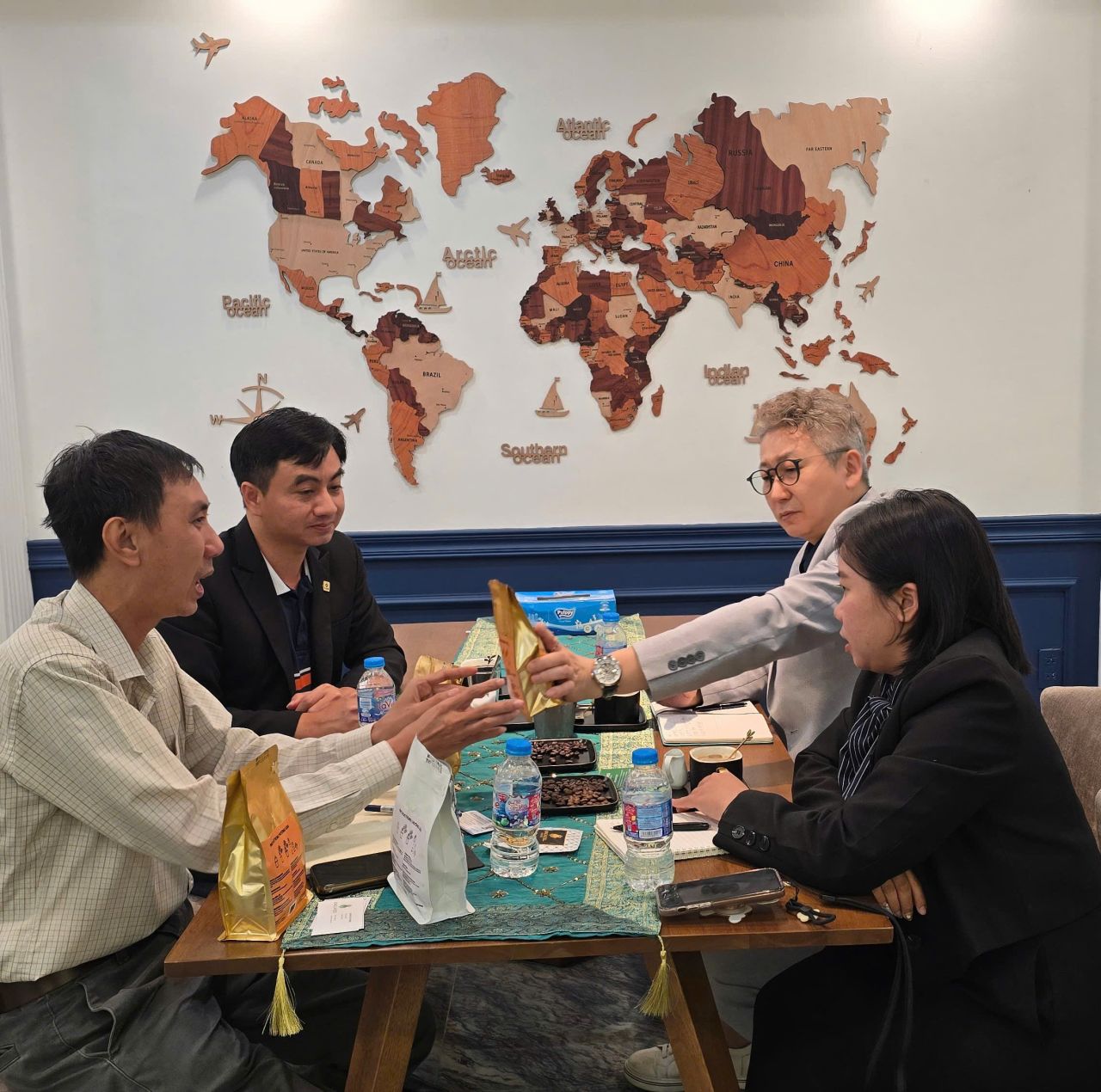
With the facilitation of Mr. Tran Quoc Duy, in February 2026, Mr. Seo Jung Wook, Chairman of WVCEA, together with Mr. Duy, met and held discussions with Kinglands Company in Ho Chi Minh city, Vietnam to explore a potential partnership for exporting its coffee products to South Korea.
In this regard, South Korea’s experience in building standardization and certification systems is considered a major advantage. Standardizing equipment, data, and processes allows technologies to be transferred and scaled more efficiently, while reducing risks for adopting enterprises.
Alongside technology, human resources play a critical role. Programs that connect experts, provide technical training, and support innovation are helping to build a workforce capable of operating and developing modern agricultural systems. This is a key factor in ensuring the long term sustainability of cooperation projects, especially in a rapidly evolving technological landscape.
Overall, Vietnam - Korea agricultural cooperation is shifting from isolated trade activities toward a multidimensional ecosystem, where technology, standards, finance, and human resources are integrated. Within this ecosystem, intermediary organizations and connection facilitators play an essential role in transforming needs into solutions and opportunities into tangible outcomes.
In the era of green transformation, such bridges carry not only economic significance but also help shape a new direction for regional agriculture. As cooperation moves beyond meetings toward concrete and scalable models, Vietnam - Korea agricultural relations are expected to deepen further, contributing to a more modern and sustainable agricultural future.